You make a sale, ship the order and, weeks later, you get a notice: the customer has disputed the card purchase. That is a chargeback. Knowing why it happens and how to respond helps protect your revenue and your business's reputation.
What is a chargeback
A chargeback is a dispute that the cardholder files directly with their card-issuing bank. If the dispute is accepted, the money goes back to the customer and is debited from the merchant. It is different from a regular refund, where the merchant decides to return the money, for example after an agreed exchange or cancellation.
How it works, step by step
- The customer disputes the charge: they contact the card issuer and say they do not recognise the purchase or that something went wrong.
- The dispute is opened: the issuer files it through the card network, and the merchant is notified by their payment platform.
- The amount is on hold: the value of the sale may be withheld until the review is over.
- You present your defence: within the deadline, you send evidence that the sale was legitimate and the order was delivered.
- The issuer decides: based on the card network's rules, the money either goes back to the customer or stays with you.
Why chargebacks happen
- Fraud: someone uses stolen or cloned card details, and the real cardholder disputes the charge.
- Friendly fraud: the cardholder makes the purchase, receives it and later claims not to recognise it.
- Item not received: delays, lost parcels or no proof of delivery.
- Item not as described: defects, wrong size or a description that does not match the product.
- Unrecognised billing name: the name on the card statement differs from the store name, and the customer gets suspicious.
Want to track sales and disputes in one place? Open your Sila Pay account
How to prevent chargebacks
- Describe products clearly: real photos, measurements, delivery times and clear terms reduce disappointment.
- Keep proof of delivery: tracking codes, delivery confirmations and your conversations with the customer.
- Reply quickly: customers who can reach you usually ask for an exchange or a refund instead of opening a dispute.
- Offer a refund when it makes sense: returning the money yourself is usually cheaper than losing a dispute.
- Watch out for unusual orders: large purchases from new customers, several cards tried in a row or odd delivery addresses.
How to respond to a chargeback with Sila Pay
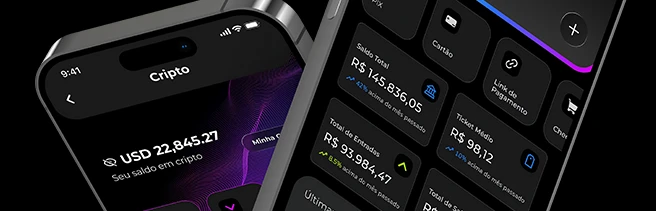
In the Sila Pay dashboard, the Chargeback section lists the disputes on your sales. For each one, you can upload evidence files, such as invoices, proof of delivery and conversations, together with a description of what happened. Reply within the deadline and keep your evidence clear and objective: it improves your chances of reversing the dispute.
What about Pix — does it have chargebacks?
Not like cards do. Pix does not run on card networks, so this kind of dispute does not exist. For fraud, scams or operational failures, Brazil's Central Bank created the MED (Special Return Mechanism), which lets the payer's bank request that funds be blocked and returned. MED does not cover commercial disagreements, such as buyer's remorse or dissatisfaction with a product.
Frequently asked questions
Is a chargeback the same as a refund?
No. With a refund, the merchant chooses to return the money. With a chargeback, the customer asks the card issuer for the money back, and the merchant has to defend the sale.
How long does a customer have to dispute a charge?
Deadlines follow each card network's rules and can reach several months after the purchase. That is why you should keep evidence for every sale for a good while.
Can I eliminate chargeback risk entirely?
No business that accepts cards is completely free of disputes, but good sales, customer service and record-keeping practices reduce the problem considerably.
Sell with more peace of mind and track everything in your dashboard. Sign up for Sila Pay